From raw clay to fired tiles: the machines a ceramics plant needs
A step-by-step guide to grinding, pressing, glazing and firing, the machine that does each job, and how to ask for a quotation.
A step-by-step guide to grinding, pressing, glazing and firing, the machine that does each job, and how to ask for a quotation.
Type a machine name or a step of the work.
No match yet. Tell us what you need and we will help. Get a quote
Step 1: Body preparation
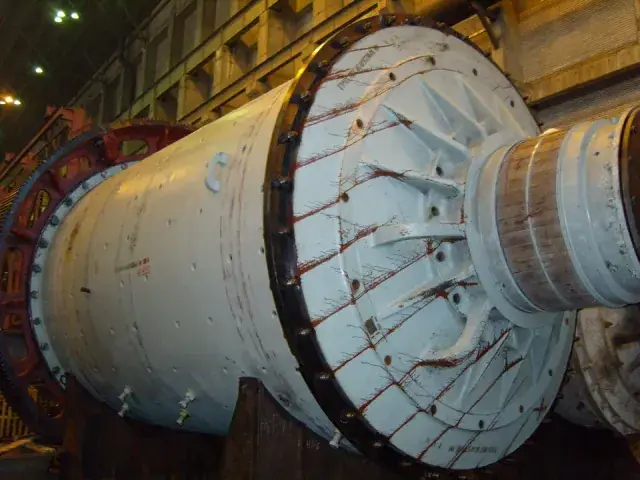
A turning drum filled with grinding media that grinds clay and minerals with water into a fine slip.
Availability subject to feasibility check
Request this machineStep 1: Body preparation
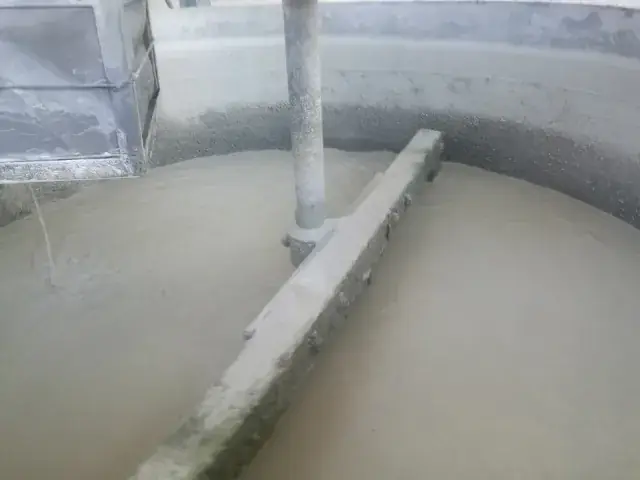
A tank with a slow agitator that keeps the ground slip evenly mixed, so it does not settle before use.
Availability subject to feasibility check
Request this machineStep 2: Spray drying
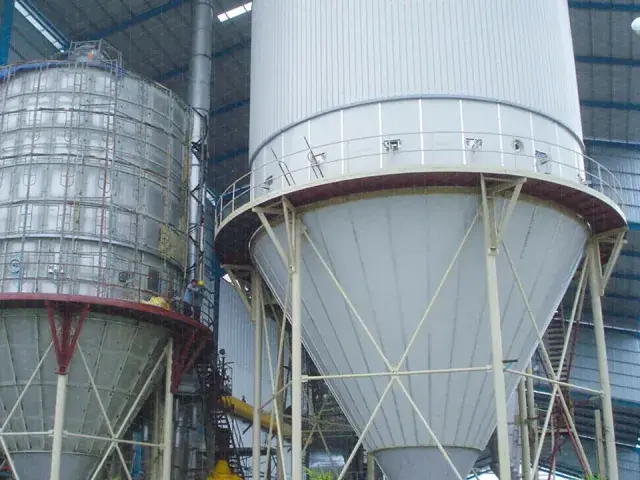
Sprays slip into a tall chamber of hot air, which dries it into a free-flowing powder ready for pressing.
Availability subject to feasibility check
Request this machineStep 3: Pressing and casting
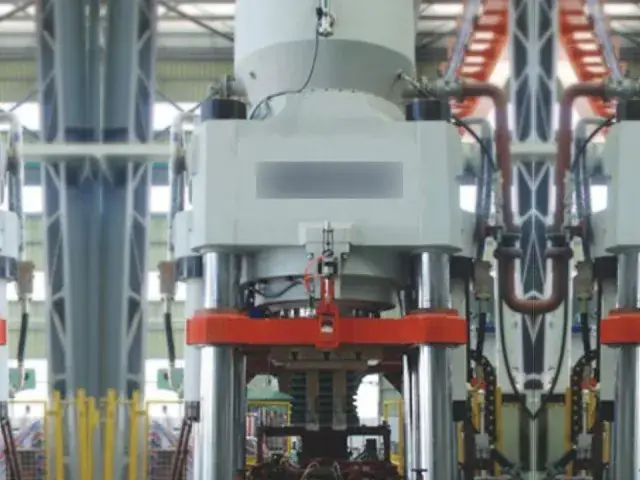
Presses the powder in a mould under high hydraulic force into firm, flat tiles.
Availability subject to feasibility check
Request this machineStep 3: Pressing and casting
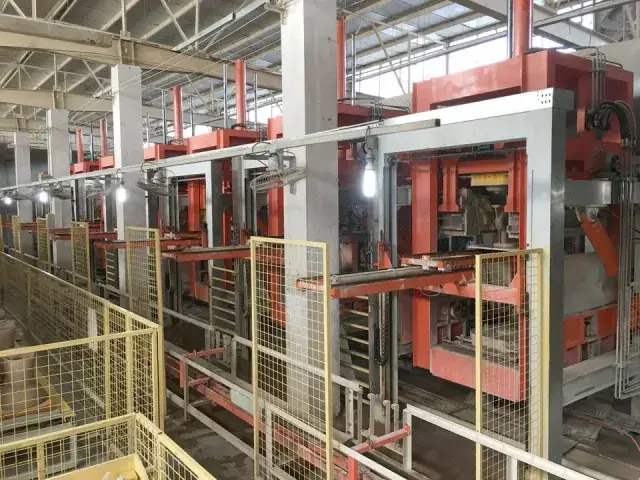
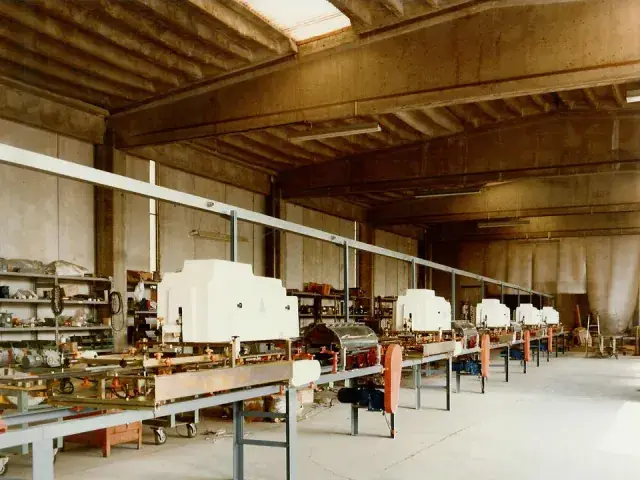
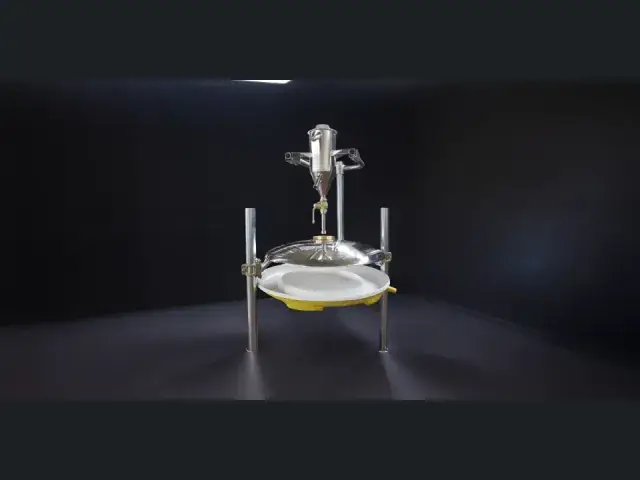
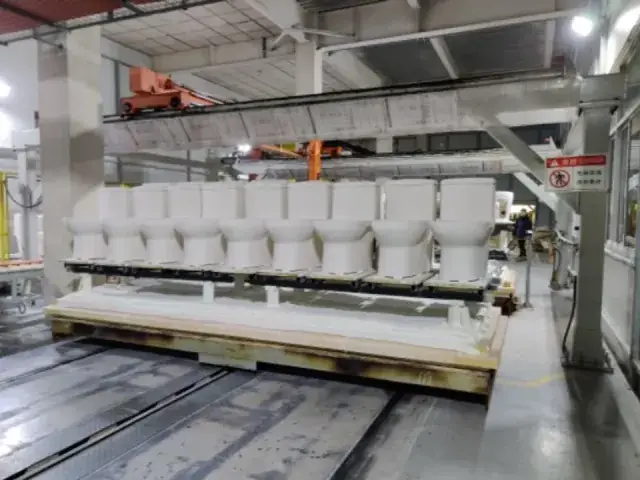
Forces slip into porous resin moulds under pressure to form basins, toilets and other sanitary ware quickly.
Availability subject to feasibility check
Request this machineStep 4: Drying
Dries freshly pressed or cast pieces with warm, moving air, so they do not crack in the kiln.
Availability subject to feasibility check
Request this machineStep 5: Glazing and decorating
A conveyor that carries tiles under bells, sprays and discs that coat them with an even layer of glaze.
Availability subject to feasibility check
Request this machineStep 5: Glazing and decorating
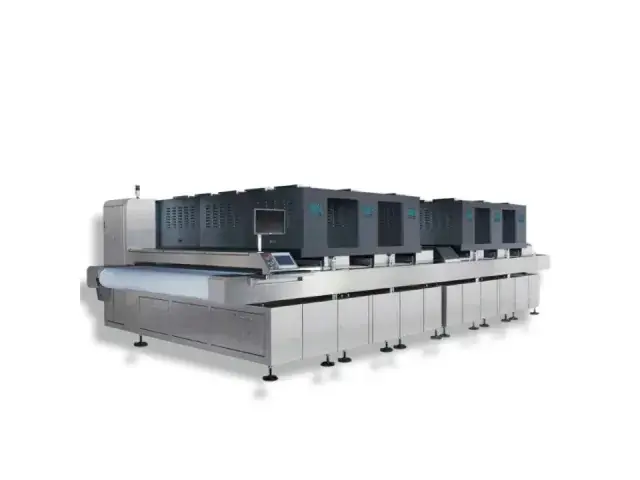
Prints the tile design with ceramic inks from inkjet heads, like a large desktop printer for tiles.
Availability subject to feasibility check
Request this machineStep 6: Firing
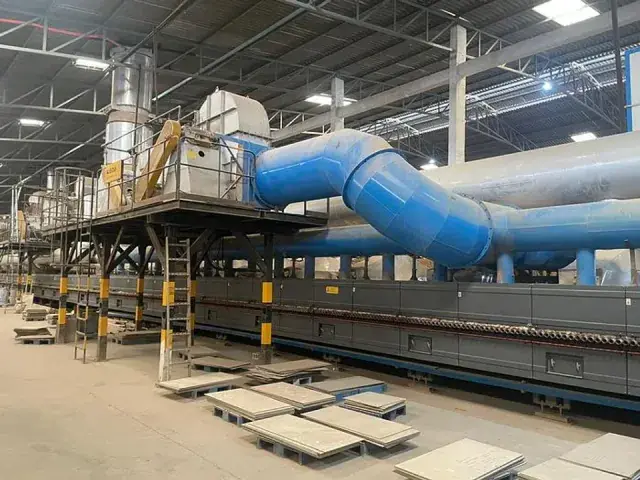
A long kiln where tiles ride on turning ceramic rollers through zones of rising and falling heat.
Availability subject to feasibility check
Request this machineStep 6: Firing
A long tunnel through which loaded kiln cars move slowly, firing sanitary ware, tableware or bricks.
Availability subject to feasibility check
Request this machineStep 7: Sorting and packing
Checks fired tiles for size, flatness and surface faults, and sorts them into grades.
Availability subject to feasibility check
Request this machineStep 7: Sorting and packing
Stacks sorted tiles, wraps them in cartons and stacks the boxes for dispatch.
Availability subject to feasibility check
Request this machineThe main steps in a tile or sanitaryware plant and the type of machine that usually does each one. Tiles are pressed from powder; sanitaryware is cast from liquid clay.
Clay and minerals are weighed and ground with water into a smooth liquid called slip.
Machines at this step: Ball mill, Slip tank with agitator
For tiles, the slip is sprayed into hot air and dries into a fine, even powder that presses well.
Machines at this step: Spray dryer
Tile powder is pressed into shape, and sanitaryware is cast by pouring slip into moulds.
Machines at this step: Hydraulic tile press, Pressure casting machine
Pressed or cast pieces are dried slowly so they do not crack before firing.
Machines at this step: Ceramic dryer
Glaze is applied for colour and shine, and the design is printed onto the tile surface.
Machines at this step: Glazing line, Digital inkjet printer for tiles
The pieces pass slowly through a long kiln, where heat turns clay and glaze hard and glassy.
Machines at this step: Roller kiln, Tunnel kiln
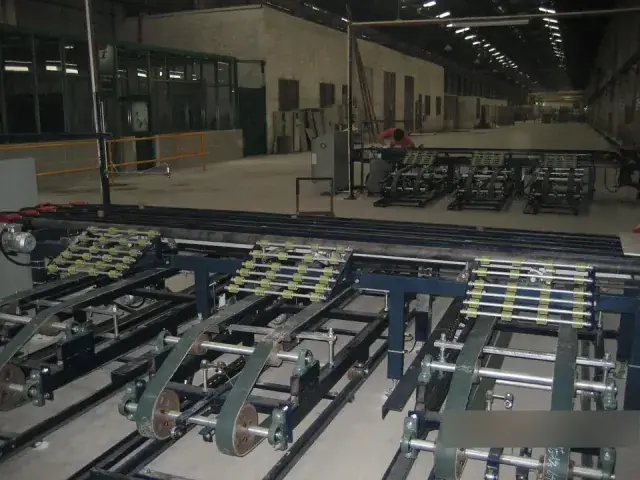
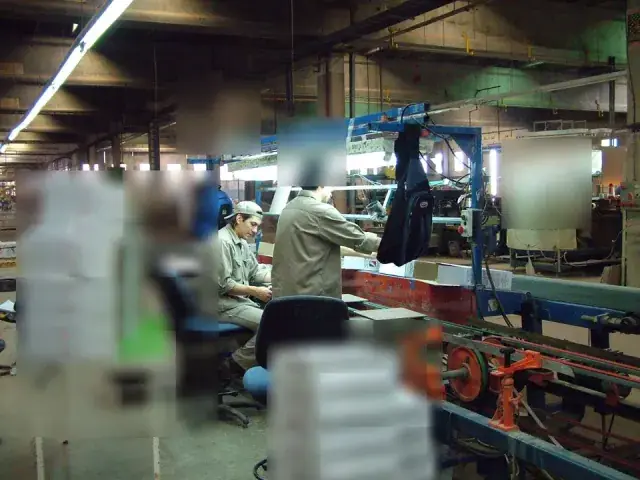
Tiles are checked for size, flatness and faults, sorted into grades and packed into boxes.
Machines at this step: Sorting line, Tile packing machine
See the machines behind a factory’s power, steam, compressed air and cooling.